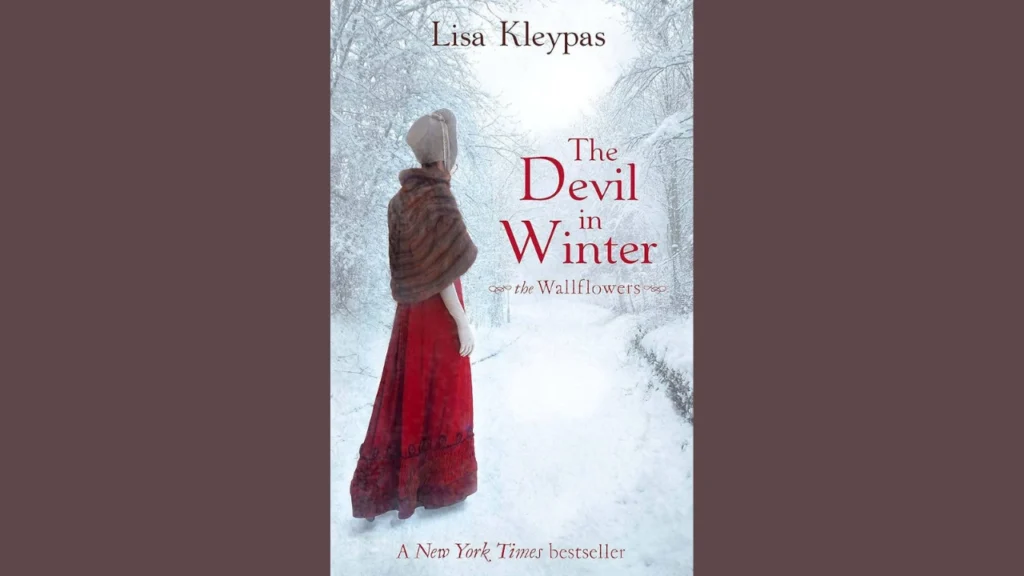
If you’ve ever wandered into the world of historical romance, there’s a good chance you’ve heard of Devil In Winter by Lisa Kleypas. As the third book in the beloved Wallflowers series, this novel continues to captivate readers with its blend of romance, wit, and Victorian-era social drama. I recently picked up the book, and in this post, I’ll give you an in-depth look at the story, its characters, themes, and why it remains both adored and controversial in the romance community.
Content
Introduction: Why Devil In Winter Stands Out
When I first started the Wallflowers series, I was drawn to Kleypas’ talent for creating complex, relatable heroines and charming yet flawed heroes. Devil In Winter didn’t disappoint entirely, but it was a different experience compared to the first two books. This story centers around Evangeline “Evie” Jenner and the enigmatic Lord St. Vincent, a man whose dark reputation precedes him.
For anyone searching for what is Devil In Winter about, the premise is simple yet intriguing: two very different people enter a marriage of convenience, each with their own motives. But beneath this setup, Kleypas weaves a story about personal growth, trust, and the challenges of navigating social expectations in Victorian England.
Plot Summary: A Marriage of Convenience
Evie Jenner is shy, delicate, and burdened by a traumatic family past. Her path crosses with St. Vincent, a notoriously wealthy and devilishly charming man, who proposes a pragmatic arrangement: marriage for mutual benefit. Evie needs security, and St. Vincent seeks stability—and perhaps a measure of redemption.
The story tracks their gradual adaptation to each other’s presence, their evolving emotional connection, and the tension that arises from both their personal histories. While Devil In Winter is part of the Wallflowers series, it can be enjoyed as a standalone novel, though reading the previous books adds context to recurring secondary characters.
Main Characters: Evie Jenner & Lord St. Vincent
Evangeline “Evie” Jenner
Evie is the epitome of a “wallflower” in Victorian society: timid, introspective, and underestimated by many. What I found compelling about her character is her resilience. Despite her family’s neglect and the pressures of high society, she demonstrates quiet strength. She represents the classic trope of hidden depth—a character whose outer fragility masks an inner fortitude.
Lord St. Vincent
St. Vincent, known as the “Devil” in the series title, is initially perceived as arrogant and emotionally detached. His reputation for being ruthless in business and society makes him a fascinating foil to Evie’s gentleness. Yet as the story unfolds, we see his complexity: a man shaped by past mistakes and a longing for genuine connection. The way Kleypas gradually peels back his layers makes him both alluring and relatable.
Themes and Social Context
Devil In Winter touches on several enduring themes, which is part of why it resonates with readers:
Power and Control: The marriage of convenience brings up questions of autonomy, influence, and negotiation within relationships.
Consent and Romantic Tension: There’s been debate among readers about certain scenes that depict ambiguous consent. This reflects the broader complexity of historical romance, which often negotiates social norms of the era with modern sensibilities.
Personal Transformation: Both Evie and St. Vincent undergo significant growth. Their journey from mistrust and self-preservation to love and mutual respect is central to the narrative.
As someone who’s read many historical romances, I appreciate how Kleypas balances the darker elements of societal pressures with moments of light-hearted romance and humor.
Real-Life Case Study: Learning from Fictional Dynamics
Recently, I spoke with a friend who works as a relationship coach. We discussed how reading romance novels like Devil In Winter can offer subtle lessons about communication, understanding personality differences, and recognizing emotional boundaries.
She mentioned a case where a client misinterpreted signs of passive-aggression in a relationship. By reflecting on characters like Evie and St. Vincent, the client learned to appreciate the importance of explicit consent, mutual respect, and acknowledging past traumas while navigating current relationships. This real-world insight shows that even historical fiction can have practical applications in understanding human behavior.
Criticisms and Controversies
While Devil In Winter is widely beloved, it is not without critique. Some readers, myself included at times, found parts of the story slow-paced, particularly in the early chapters where Evie and St. Vincent adjust to married life. The novel’s most controversial aspect is the depiction of a non-consensual scene. Many readers interpret it as problematic, highlighting the tension between romantic fantasy and ethical storytelling.
It’s worth noting that the Wallflowers series as a whole emphasizes character growth and social navigation. In that light, while the controversial scene is troubling, it does serve as a narrative turning point for both characters’ understanding of trust and boundaries.
Supporting Characters and Series Connections
One aspect I particularly appreciated is how Kleypas subtly ties in the other Wallflowers from the previous books. Though the supporting cast doesn’t dominate this story, their occasional appearances provide a sense of continuity and reward long-time fans of the series.
Characters like Lady Marsha and Daisy add context, humor, and social commentary, making the Wallflowers series feel like a connected universe where each story contributes to a broader tapestry.
Why Readers Love Devil In Winter
For many fans of historical romance, the appeal of Devil In Winter lies in:
Complex Hero-Heroine Dynamics: The slow-burn romance keeps readers invested in every interaction.
Historical Immersion: From social gatherings to the intricacies of Victorian society, the novel provides a vivid backdrop.
Emotional Depth: Both lead characters deal with past trauma, making their eventual connection feel earned.
If you’re searching for a balanced view, most Goodreads reviews praise Kleypas for her storytelling and the nuanced emotional arcs, while critics point out pacing issues or discomfort with certain romantic scenes.
Reading Tips and Recommendations
Read in Series Order: While Devil In Winter works as a standalone, reading the first two Wallflowers books enriches your understanding of recurring characters and social nuances.
Engage with the Themes: Pay attention to consent, power dynamics, and character growth—they are central to the story’s emotional impact.
Join Discussions: Online book clubs or Goodreads threads often provide multiple perspectives, helping you navigate controversial scenes thoughtfully.
Conclusion: A Must-Read With Nuanced Takeaways
Devil In Winter is a historically rich, emotionally layered romance that continues to captivate readers over a decade after its release. While some aspects of the story—particularly pacing and the controversial scene—might not appeal to everyone, the novel offers a compelling study of character transformation, love, and societal pressures.
Whether you’re a fan of the Wallflowers series or new to Lisa Kleypas, this book provides both entertainment and opportunities to reflect on real-world relationships, boundaries, and personal growth. If nothing else, it sparks conversation—a hallmark of a memorable story.
If you enjoyed Devil In Winter, you might also love exploring our review of Love And Other Words for another heartfelt romance story.
FAQs
What is the book Devil In Winter about?
Devil In Winter follows Evie Jenner and Lord St. Vincent in a marriage of convenience filled with romance and personal growth.
Is Lisa Kleypas still alive?
Yes, Lisa Kleypas, the author of Devil In Winter, is alive and continues writing popular romance novels.
Is Devil In Winter a standalone book?
While part of the Wallflowers series, Devil In Winter can be enjoyed on its own without reading the first two books.
Is One Night in Winter based on a true story?
No, One Night in Winter is a fictional romance novel by Lisa Kleypas, not based on real events.