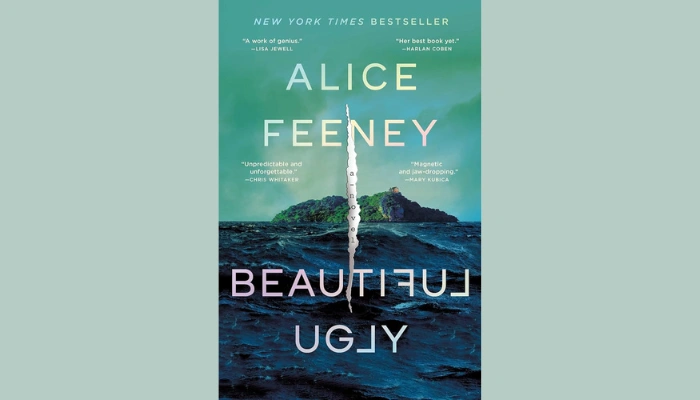
Have you ever come across something that seemed ugly at first glance but, the more you observed, revealed a hidden beauty? This fascinating paradox, often referred to as Beautiful Ugly, reminds us that beauty is rarely black and white. It’s the spaces in between — the imperfections, contradictions, and unexpected elements — that often hold the most profound aesthetic appeal.
In this article, we’ll explore why some people find ugly things beautiful, the psychology behind aesthetic contradictions, and real-life examples that show how beauty can emerge from imperfection.
Content
What Does “Beautiful Ugly” Mean?
At its core, Beautiful Ugly represents the idea that beauty isn’t always conventional. Something may appear unappealing or flawed initially but can reveal extraordinary charm upon closer examination. Think of a weathered building with peeling paint that tells a story of resilience, or a scar that becomes a mark of survival.
The phrase also challenges traditional perceptions. It urges us to consider beauty in imperfection rather than dismissing things that don’t conform to standard ideals. In many ways, it’s about training our eyes and minds to appreciate the unconventional.
The Psychology Behind Contrasting Beauty
Human perception is complex. Psychologists suggest that our brains are drawn to novelty, contrast, and uniqueness — even if they initially seem unattractive. The concept of ugly but beautiful is tied to the human ability to find meaning and value beyond surface appearances.
For instance, research indicates that people often form strong emotional connections with things that have character, history, or flaws. Understanding the concept of Beautiful Ugly can deepen our appreciation for art, design, relationships, and even personal growth. It’s why people treasure vintage furniture, handmade crafts, or landscapes that are rugged yet captivating.
Real-Life Case Study: The Wabi-Sabi Principle in Action
A real-world example of how to appreciate imperfect beauty comes from the Japanese philosophy of Wabi-Sabi. This aesthetic embraces imperfection, transience, and authenticity.
Take the story of Emily, a graphic designer from New York. She inherited an old wooden desk from her grandmother, full of scratches, dents, and faded paint. Initially, she considered replacing it with a sleek, modern version. However, over time, Emily realized that each mark carried a story — her grandmother’s late-night work sessions, family letters tucked in drawers, and years of creative expression. The desk, once “ugly,” became a cherished centerpiece of her studio, illustrating the paradox of beauty in everyday life.
This principle shows how recognizing beauty in flaws can enrich personal experiences and foster a sense of gratitude and connection.
Examples of Beautiful Ugly in Art, Nature, and Life
Art: Many modern artists use asymmetry and rough textures to create compelling works. A painting with smudges, scratches, or unexpected color combinations can evoke stronger emotions than a perfectly polished piece.
Nature: Look at gnarled old trees, jagged mountains, or weathered rocks. Their imperfections tell stories of survival, endurance, and natural artistry, embodying beauty in imperfection.
Everyday Life: Consider handmade pottery, vintage fashion, or even personal scars. They all celebrate authenticity, demonstrating that beauty doesn’t always lie in perfection.
By exploring these examples, it becomes clear that embracing unconventional beauty allows us to appreciate depth, character, and uniqueness in everything around us.
Why People Are Drawn to Unconventional Beauty
Humans are naturally attracted to contrast and storytelling. Things that challenge our expectations create emotional engagement, curiosity, and reflection. When we encounter the ugly but beautiful, it forces us to pause, observe, and reconsider our judgments.
Furthermore, unconventional beauty often resonates on a personal level. It connects with experiences of vulnerability, resilience, and authenticity. By learning to appreciate it, we cultivate empathy, mindfulness, and a deeper understanding of life’s complexity.
How to Appreciate Imperfect Beauty
Here are some practical ways to embrace the concept of Beautiful Ugly in daily life:
Shift Perspective: Look for stories behind imperfections. Ask yourself what makes something unique rather than focusing on flaws.
Observe Closely: Spend time with objects, people, or landscapes. The longer you observe, the more hidden beauty emerges.
Celebrate Flaws: Use imperfections as a form of personal or creative expression, whether in art, décor, or self-reflection.
Practice Mindfulness: Being present helps notice subtle details, textures, and contrasts that may otherwise go unnoticed.
Incorporating these strategies enhances both your aesthetic sensibility and your emotional intelligence. It teaches us to see value where we might once have dismissed it.
Conclusion
The concept of Beautiful Ugly challenges traditional definitions of beauty. Whether it’s the weathered charm of a vintage desk, the jagged elegance of a mountain range, or the story behind a scar, imperfection often reveals deeper meaning. By understanding the paradox of contrasting beauty, we learn not only to appreciate the world around us but also to embrace our own flaws and experiences.
Next time you encounter something that seems imperfect or unusual, pause and observe — you might just discover its hidden beauty. And for more insights into unique perspectives, check out our article on “Mistakes We Never Made.”
For more insights on captivating contrasts in storytelling, check out our review of Devil In Winter.
FAQs
Is Beautiful Ugly worth reading?
Yes, Beautiful Ugly is a compelling read for fans of paradoxical and unconventional beauty themes.
Is Beautiful Ugly going to be a movie?
Currently, there’s no confirmed movie adaptation for Beautiful Ugly.
Is Beautiful Ugly a spicy book?
Beautiful Ugly focuses on contrasts and paradoxical beauty, not spicy content.
Is the book Beautiful Ugly scary?
Beautiful Ugly isn’t horror; it explores imperfection and aesthetic contradictions.